The Circulatory System
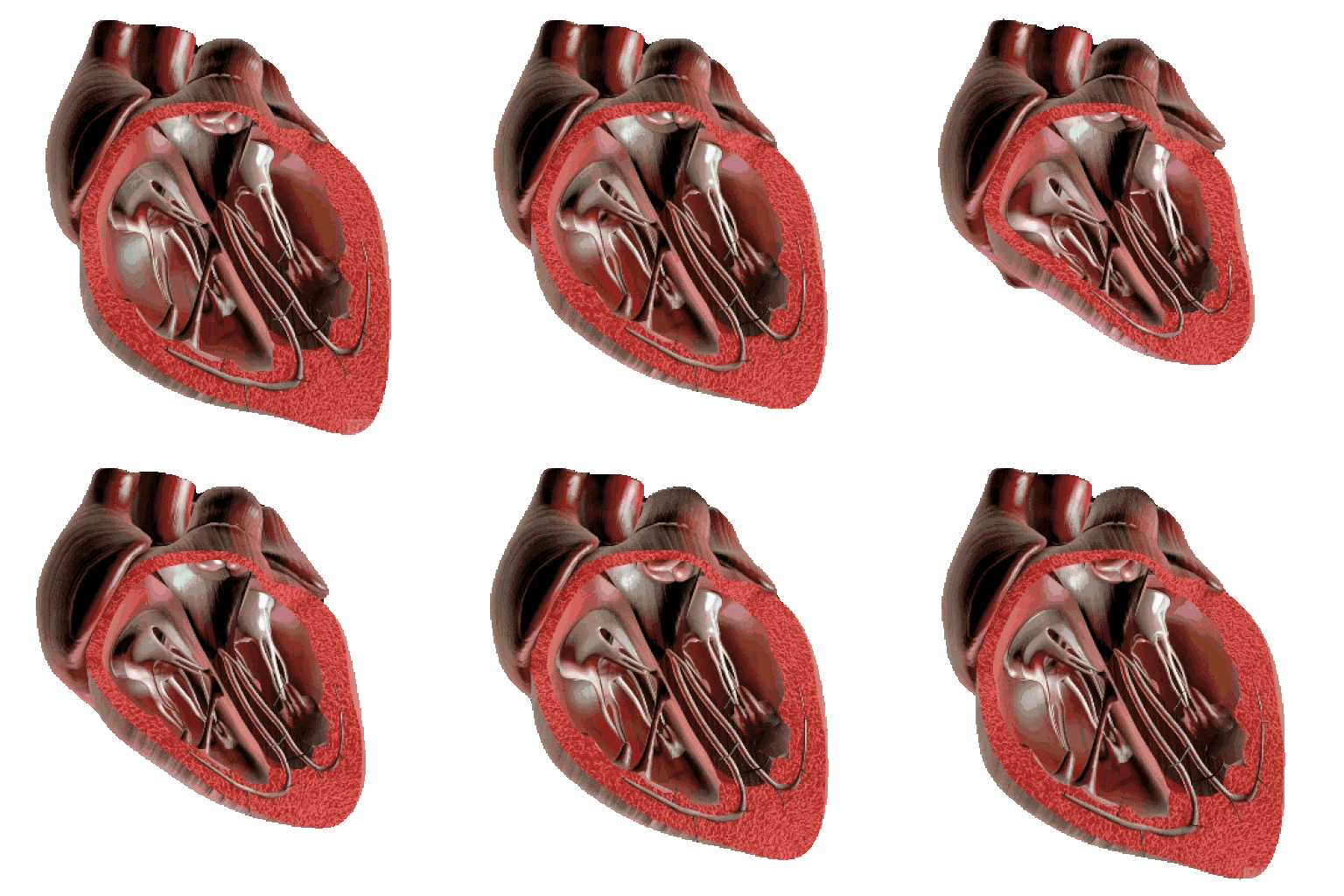
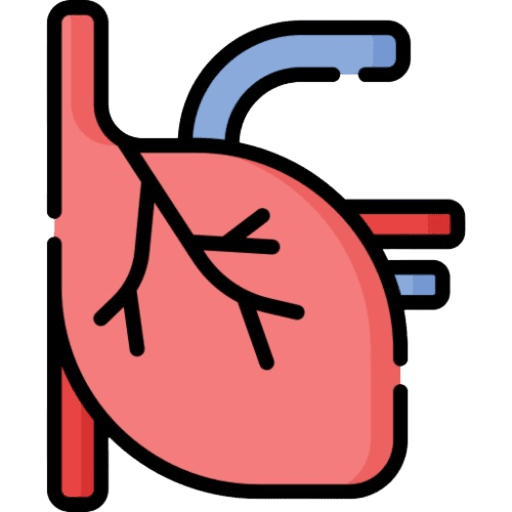
Transports blood, oxygen, and nutrients throughout the body. It includes the heart, blood vessels, and blood, ensuring oxygen delivery and waste removal.
Role: Pumps blood, distributing oxygen and nutrients while collecting waste. Operates rhythmically through electrical impulses.
The Nervous System
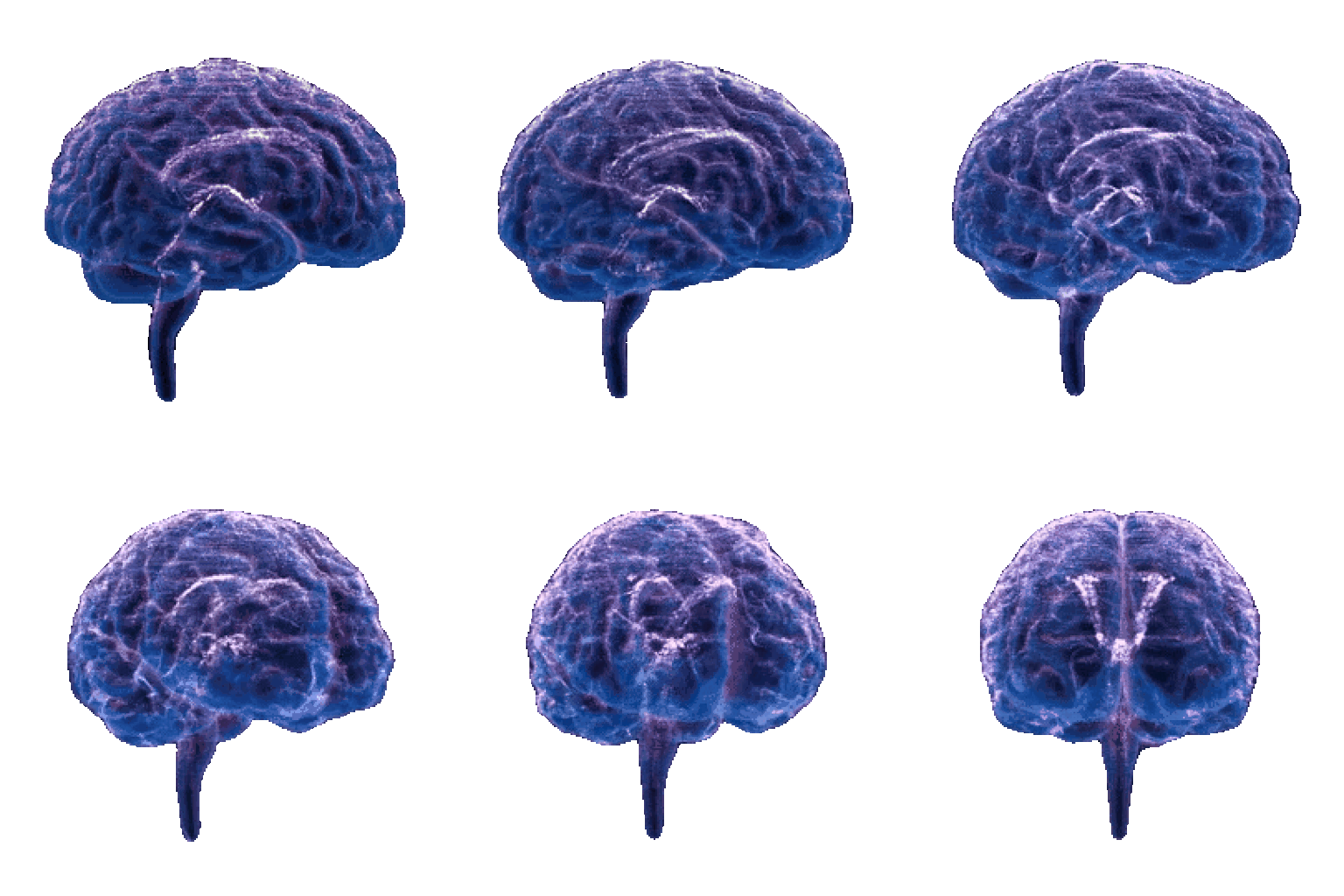
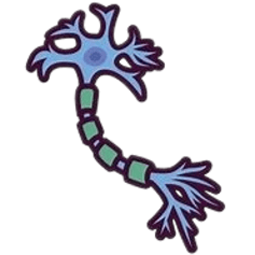
Controls body activities and responses, including voluntary and involuntary actions. Comprises the brain, spinal cord, and nerves.
Brain: Processes information and controls functions like memory, emotions, and reasoning. Communicates with the body through the spinal cord.
The Respiratory System
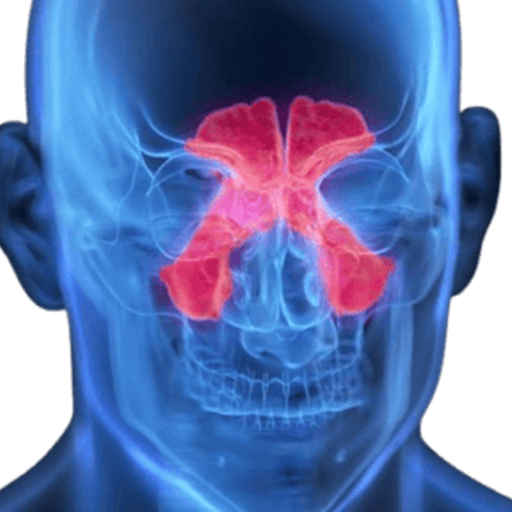
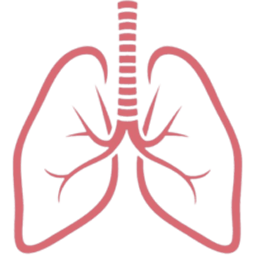
Enables oxygen intake and carbon dioxide expulsion. Includes the lungs, airways, and diaphragm for effective gas exchange.
Role: Filters, warms, and moistens air before it reaches the lungs. Uses cilia and mucus to trap dust and microbes.
The Skeletal System
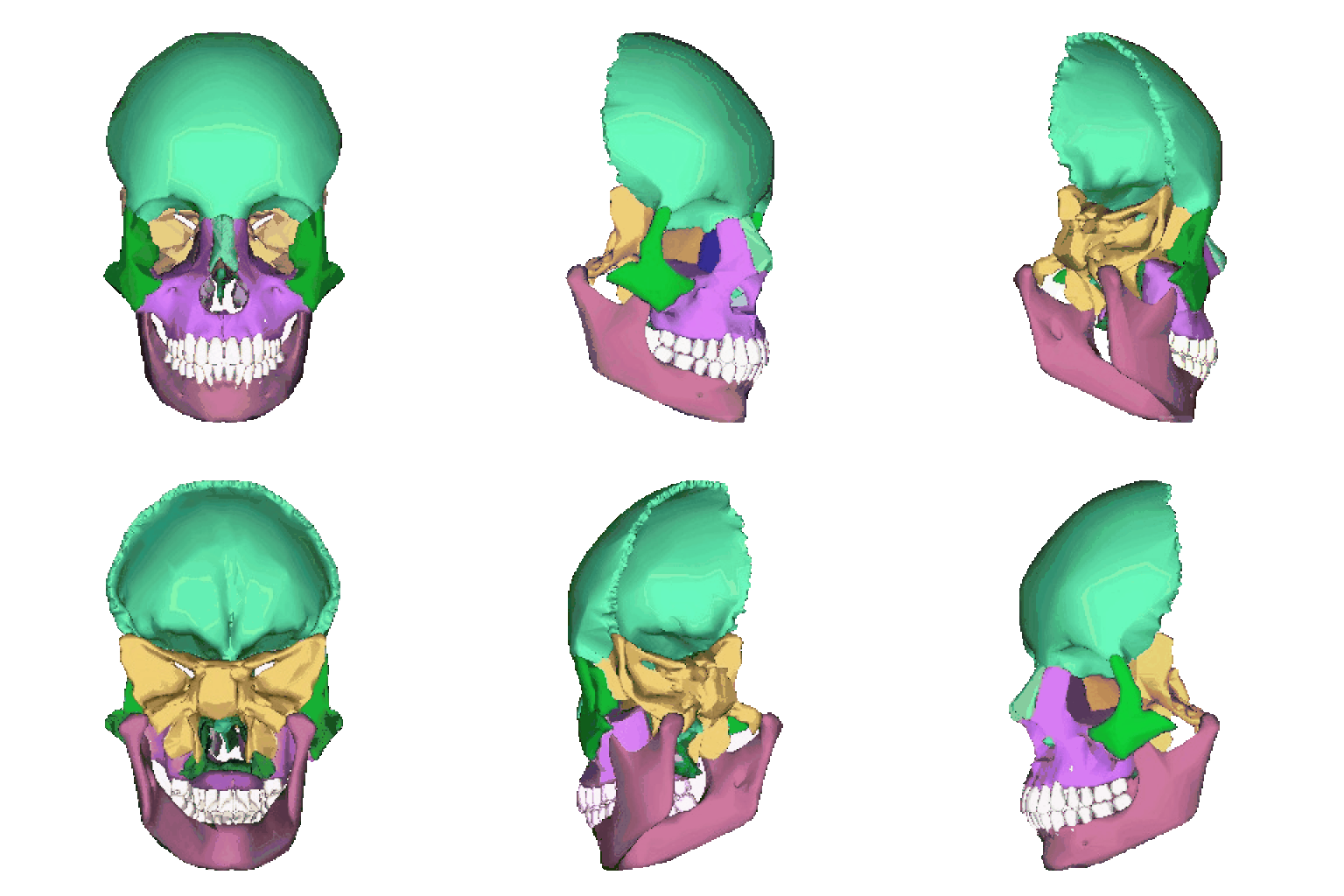
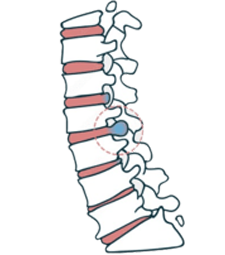
Provides structure, protection, and support for organs. Comprises bones, cartilage, ligaments, and joints for movement and mineral storage.
Role: Protects the brain and supports sensory organs. Provides attachment points for muscles used in chewing and facial expressions.